Causes and solutions of light oil burner failures
how to deal with Causes and solutions of light oil burner failures
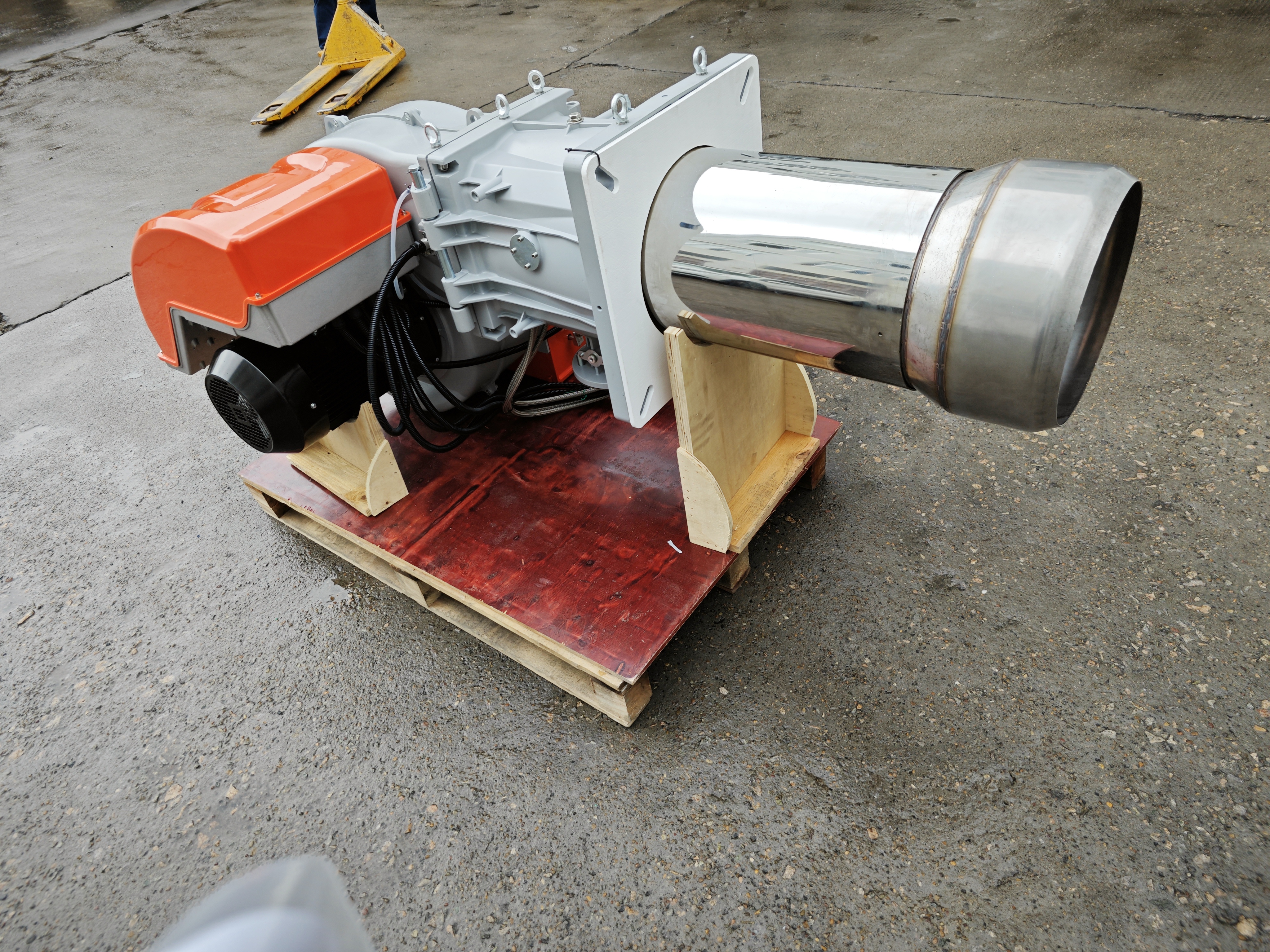
how to deal with Causes and solutions of light oil burner failures
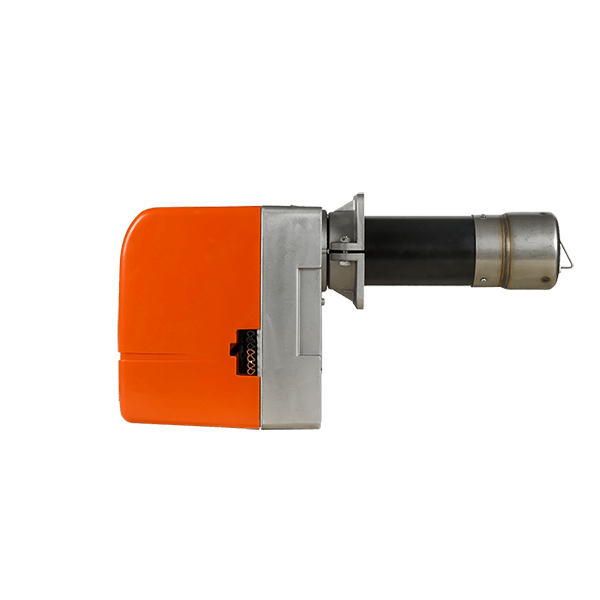
The safety control requirements mainly include pre-blowing, automatic ignition, combustion status monitoring, ignition misfire protection, flameout protection, gas pressure high and low limit protection, insufficient air pressure protection, power outage protection, and measures to prevent gas leakage accidents, etc.
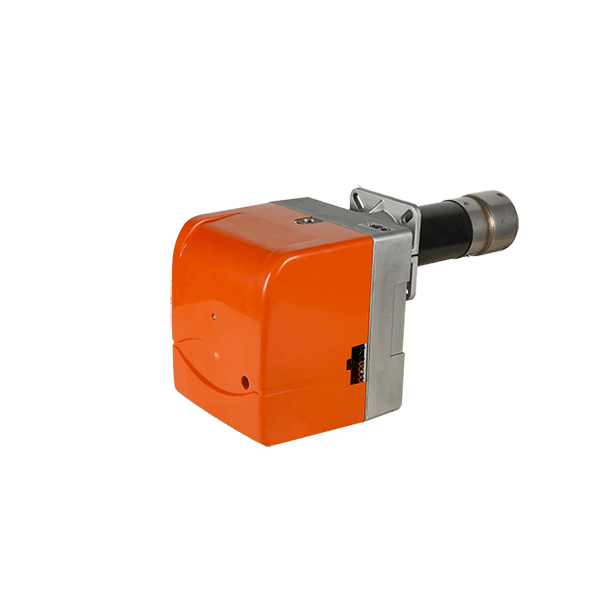
There are three main types of abnormal combustion phenomena: flameout, flashback, and yellow flame (light flame).
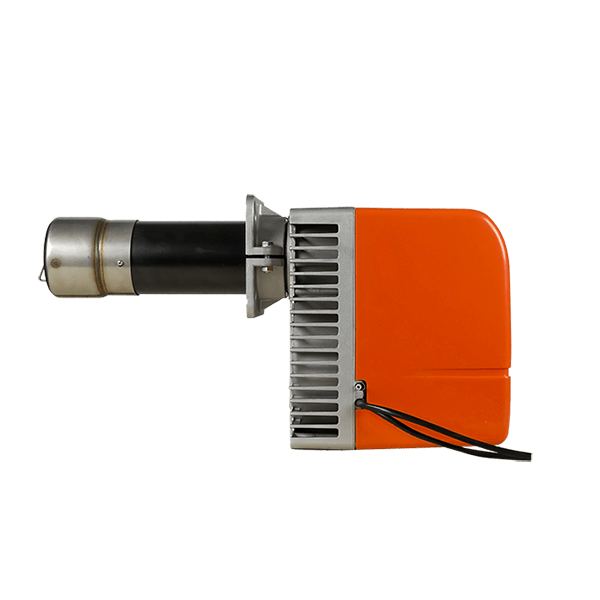
The fully premixed burner has a short flame and high combustion heat intensity, so it can reduce the volume of the combustion chamber.
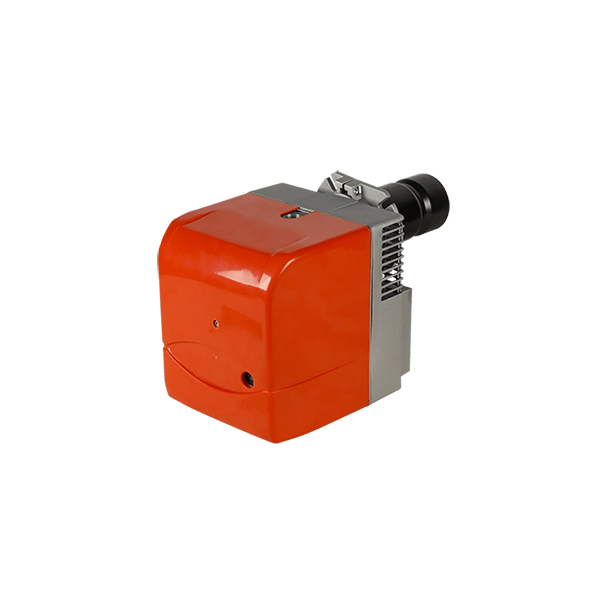
Burners designed according to the completely premixed combustion method are called completely premixed burners.
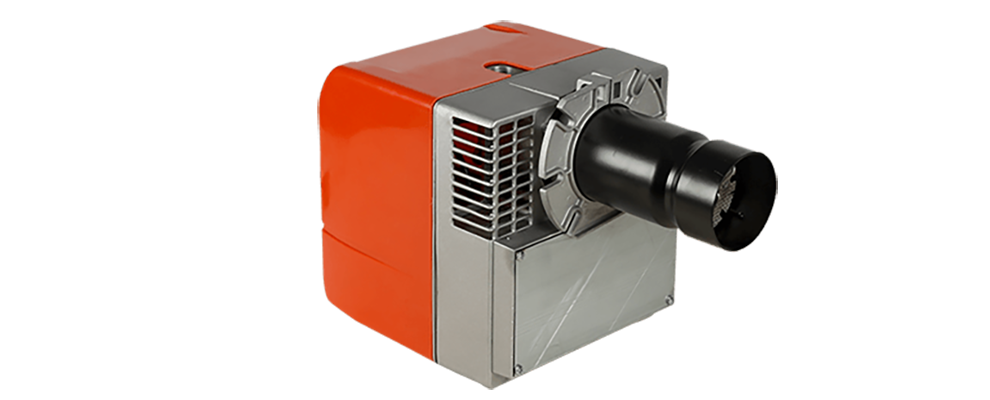
Calculations for atmospheric burners, including head calculations and ejector calculations.
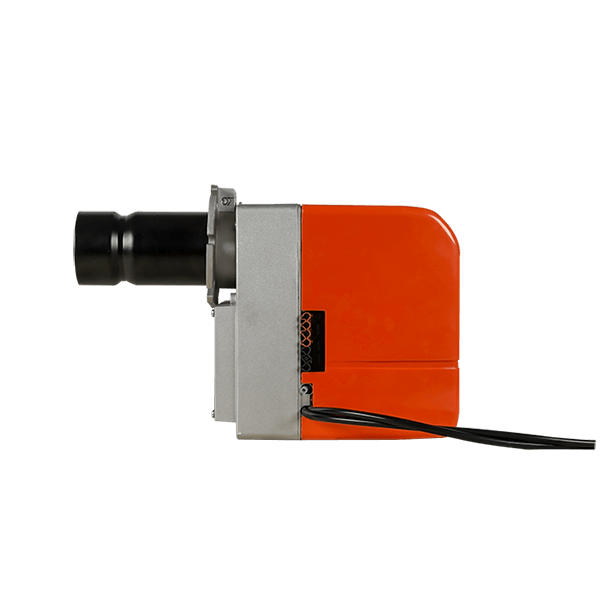
Atmospheric burners have shorter flames, stronger firepower and higher combustion temperatures than natural induced draft diffusion burners.
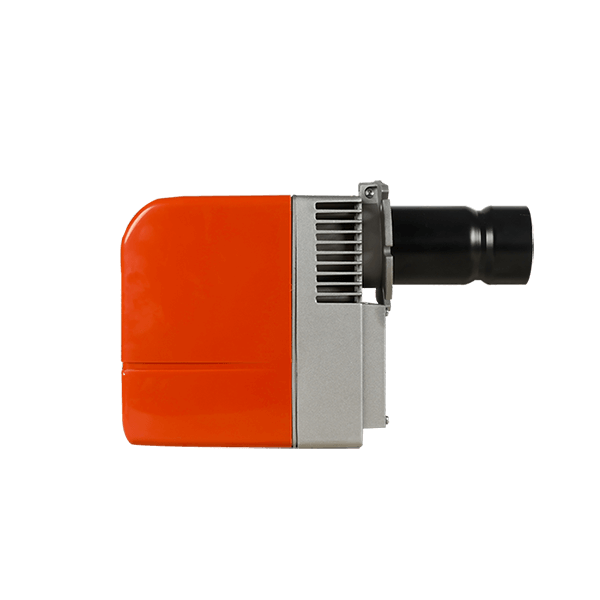
In practical applications, the primary air coefficient a of the atmospheric burner is usually 0.45~0.75. Depending on the working conditions of the combustion chamber, the excess air coefficient a usually varies within the range of 1.3~1.8.
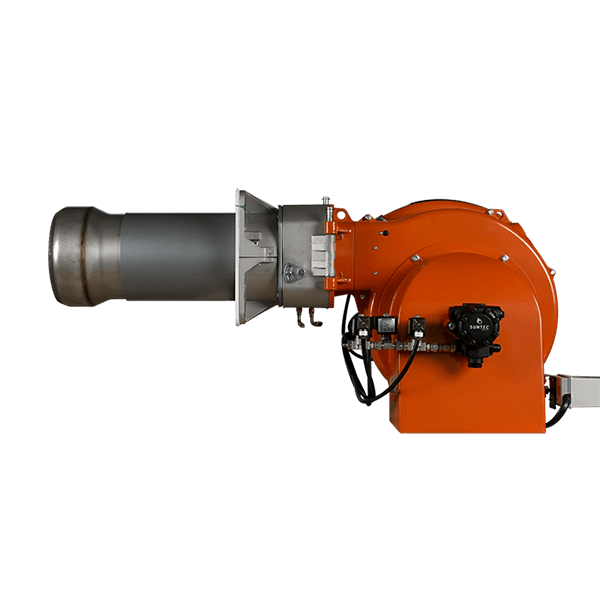
detials of Forced Air Diffusion Burners
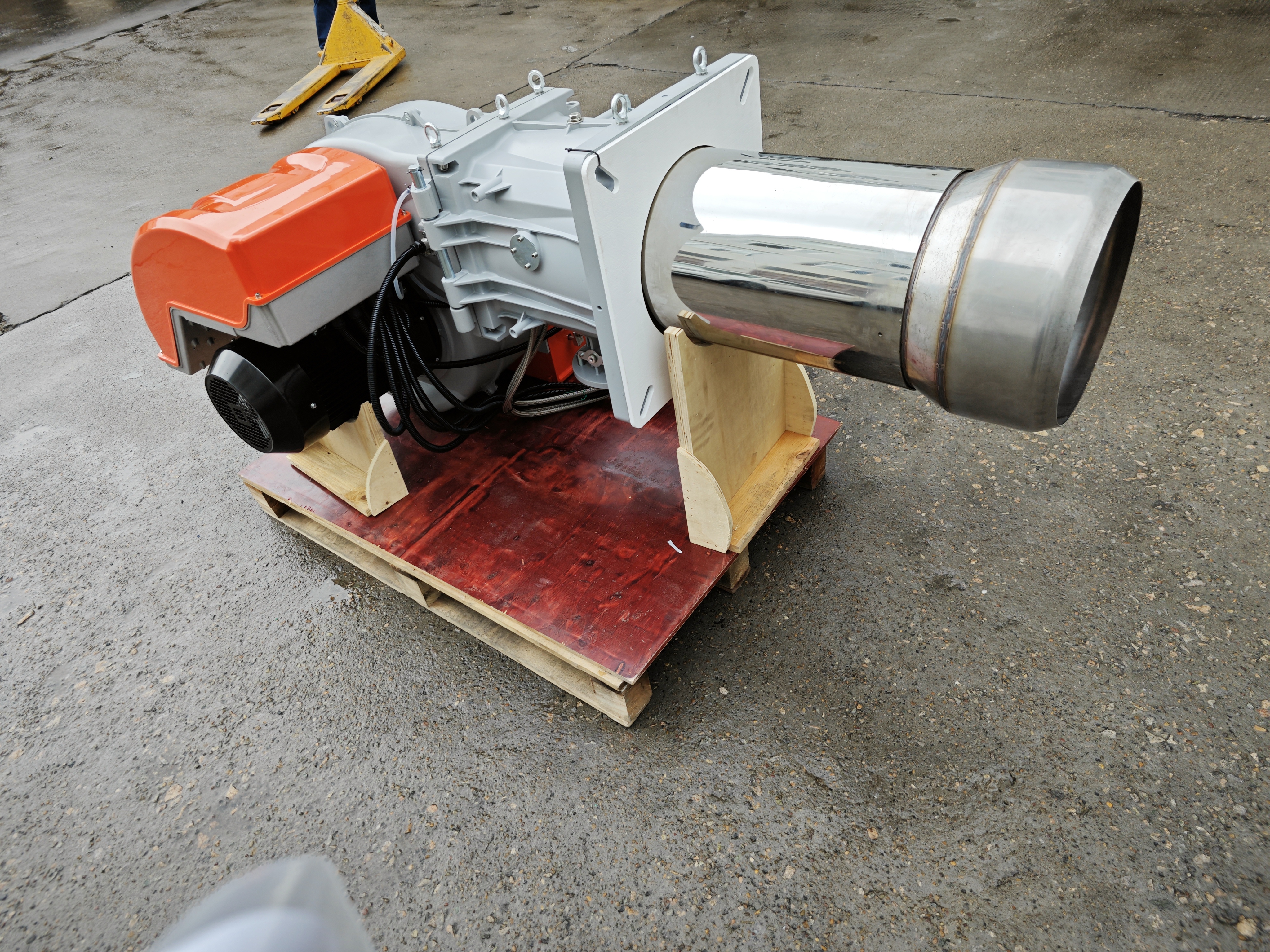
Structure and working principle of natural air diffusion burner Characteristics and application scope